By Judge Josh Baker, Nashville

Each year on the first Monday of September, Americans gather in various ways to celebrate Labor Day with cookouts, barbecues and parades in some larger cities.
According to the U.S. Department of Labor, the first celebration of the holiday occurred on September 5, 1882, in New York City, where they held a parade to celebrate the “laboring classes” who contributed so much to the building of our nation.
After that, the Labor Day movement spread, with many states passing legislation recognizing it as a state holiday, until President Grover Cleveland signed a bill on June 28, 1884, recognizing Labor Day as a national holiday to be observed each year on the first Monday in September.
Interestingly, Germany instituted its Accident Insurance Law, which became a model for workers’ compensation law in the U.S. and Europe, that same year.
Before Labor Day was recognized as a holiday in 1884, the Knights of Labor local in Nashville, Tennessee had already established itself as the State’s first recognized labor union. However, recognition quickly spread to other parts of Tennessee, with 11 other recognized organizations under the Knights of Labor banner. These organizations soon gave way to other labor organizations associated with specific industries like mining, textiles, and pressmen.
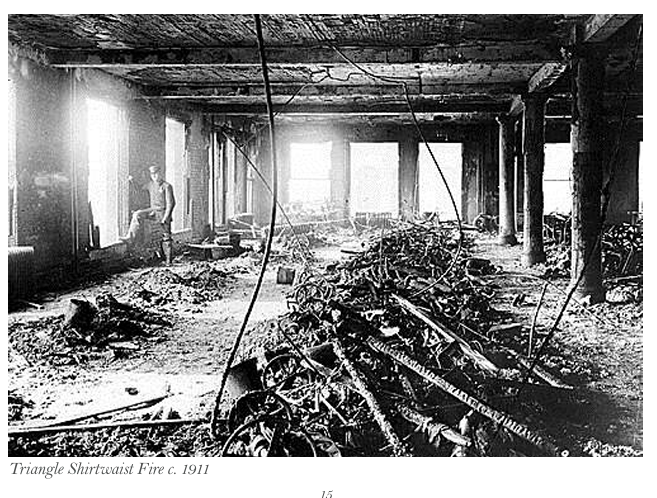
While Labor Day’s origins recognize organized labor, it took many years and unsuccessful attempts by labor organizations and others before Wisconsin, in 1911, became the first state to pass legislation similar to modern workers’ compensation that withstood judicial scrutiny. Likely not coincidentally, this was the same year of the devastating Triangle Shirtwaist Factory Fire in New York City.
After Wisconsin passed its law, nine other states followed that year and many more, including Tennessee, passed legislation on workers’ compensation over the next decade.
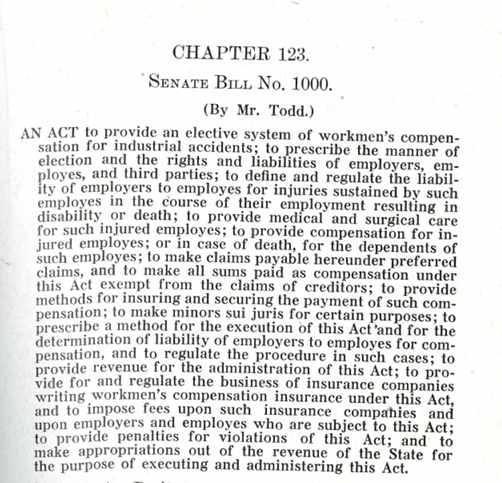
Though the roots of workers’ compensation law are planted firmly in the efforts of organized labor, in Tennessee’s first workers’ compensation act of 1919, the only mention of any occupation in the State that relied heavily on organized labor was coal mining. The act addressed coal mining by explicitly excluding “employers engaged in the operation of coal mines” and mine employees, unless the mine owner filed written notice accepting it.
(The act also exempted domestic servants, agricultural laborers and their employers, casual employees, and “common carriers doing an interstate business while engaged in interstate commerce.” These same exemptions continue in the current law in basically the same form.)
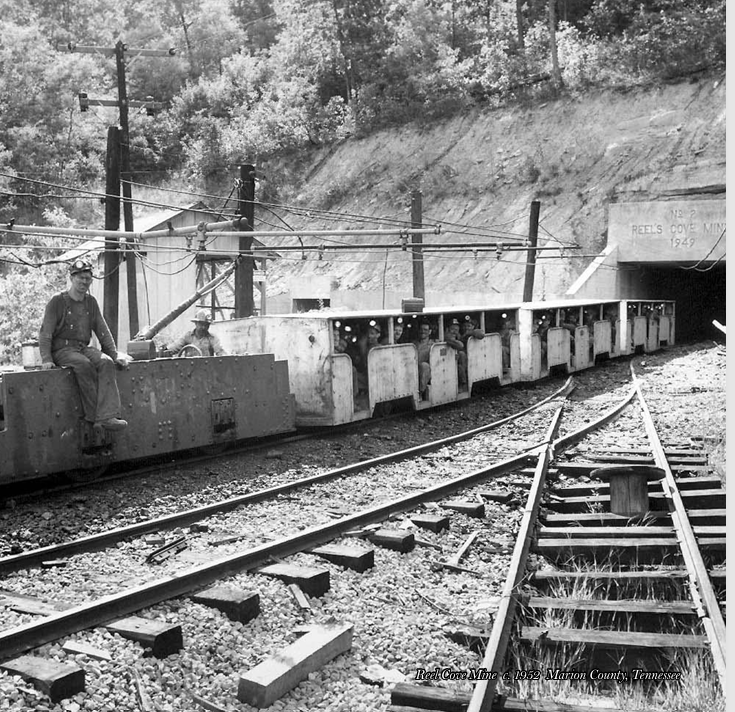
Today, Tennessee Workers’ Compensation specifically requires all coal mine operators to have workers’ compensation insurance under Tennessee Code Annotated section 50-6-107.
Beyond that, Tennessee’s law only mentions organized labor in section 50-6-503, which shields any labor organization representing an injured employee from civil liability for failing to furnish, discuss or enforce workplace safety and health provisions.
So, when enjoying your day off every first Monday in September to attend a barbecue or gathering with family or friends, a day lazing by the pool or boating on a lake, or just taking the opportunity to not get up at the sound of an alarm, reserve a minute to reflect on how this wonderful, decidedly American holiday came to be.
Of course, the Bureau is closed on Monday—but TNComp is available 24/7/365.
Happy Labor Day!